Above-Grade
Above-grade structures are exposed to atmospheric conditions, and thus their waterproofing can be subjected to hydrostatic pressure caused by wind conditions, as well as UV rays, hot and cold cycles caused by climate conditions, weathering, and carbonation. Watertight environments for above-grade structures require good waterproofing design and long-lasting materials. A sufficient slope must be designed for water drainage and moisture evaporation. Still, too much slope can cause wrinkling of the waterproofing membrane and break bonds between the components. Poor flashing protocols will often lead to water ingress. Special considerations must be made when using single-ply waterproofing materials.
When used for above-grade structures, single-ply waterproofing membranes lack redundancy and are more easily damaged. Specific occupied spaces, such as medical facilities, testing laboratories, book and art storage, and computer rooms are sensitive to humidity and are institutions where water leaks or air intrusion can be detrimental. Positive side waterproofing with a low vapour permeable membrane would be required for proper waterproofing design of these facilities.

Below-Grade Structures
On the other hand, protecting below-grade structures is more difficult than protecting above-grade structures due to several additional factors that can degrade the structures. Maintaining below-grade water infiltration can be a more difficult task because water is under pressure below ground and will force its way through even the smallest cracks in the structure. Constructing foundations built into the groundwater table, in the absence of permanent dewatering, creates a condition in which hydrostatic pressure consistently tests the performance of a waterproofing system. Any flaw in the system—or damage to the waterproofing system—will inevitably result in visible water inside the structure. The maximum water table level for the site should be used to design proper waterproofing.
Another feature of today’s commercial construction is that many large projects are built on previously occupied real estate, a practice known as brownfield development. Most of these brownfields did not do a good job of containing contaminants and frequently left significant amounts of toxic residues in the soil. When the soil or groundwater is contaminated with chlorinated solvents, petroleum hydrocarbons, or heavy metals such as benzene, naphthalene, polychlorinated biphenyls, pesticides, and elemental mercury, the waterproofing system must also be resistant to these chemicals to prevent vapour intrusion into the below-grade structure. Concrete is also prone to damage in coastal areas due to sulphate attack and chloride-induced corrosion when exposed to seawater-containing environments.
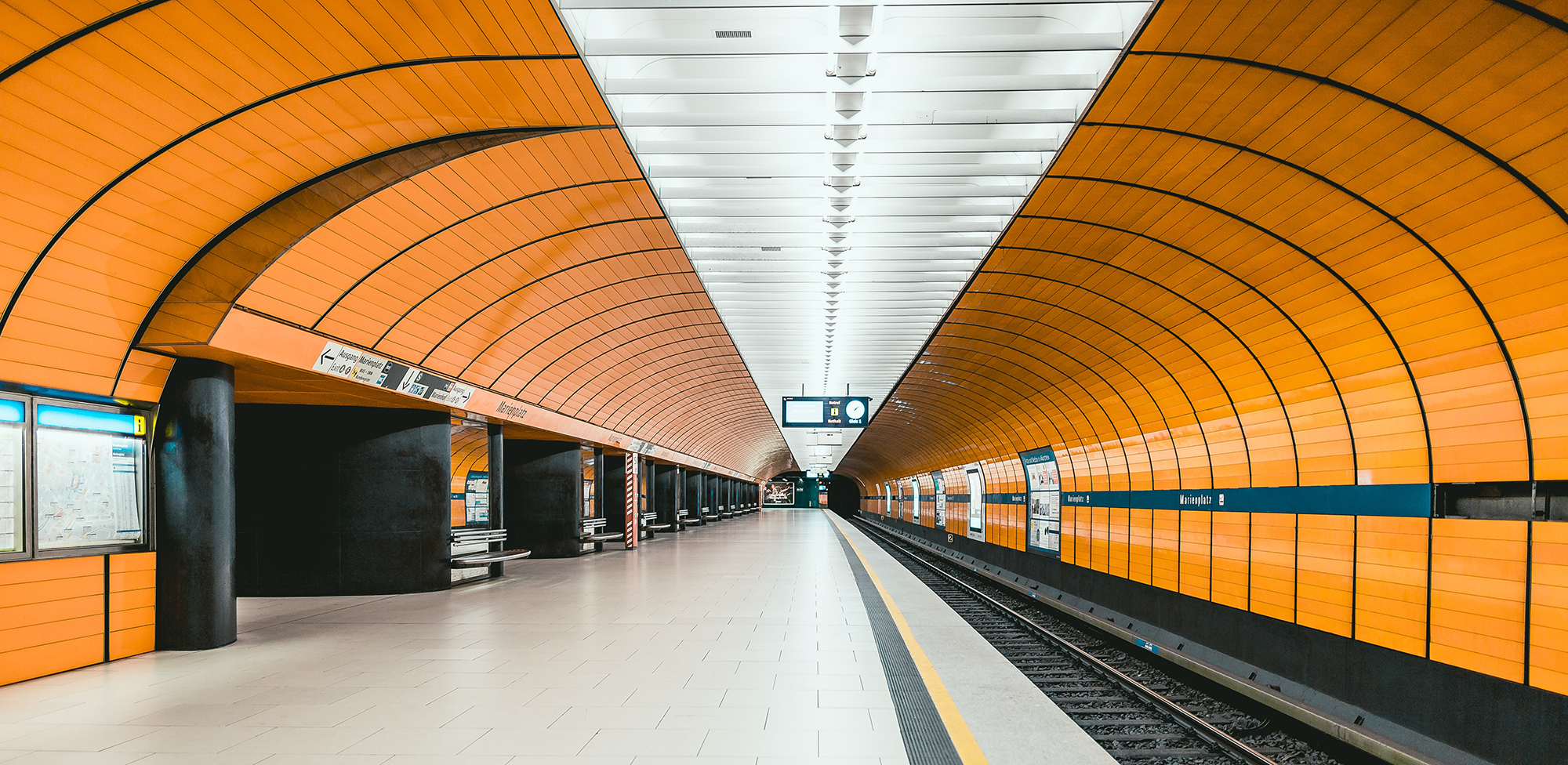
Waterproofing below-grade structures can be made more difficult in harsh climates. In rainy and damp climates, for example, the structures must contend with extreme hydrostatic pressure as well as the ongoing need to divert rainwater away from the foundation. Furthermore, certain types of below-grade structures may necessitate the most stringent levels of protection. For example, it is prudent to use high-performance waterproofing systems on below-grade structures with deep foundations to combat the high external pressures on the foundation and aggressive soil conditions that can lead to water infiltration and corrosion. Tunnels and below-grade spaces in mass transit systems are subject to intense hydrostatic forces, necessitating the use of a highly durable waterproofing system to prevent lateral water migration, as any moisture or water leaks can result in costly repairs and service disruptions.
Obtaining a geotechnical report is an important first step before specifying a below-grade waterproofing system. It contains detailed information about the site’s conditions, including the risk of flooding. The report also provides a thorough understanding of soil composition, including whether harmful chemicals in the soil require remediation.